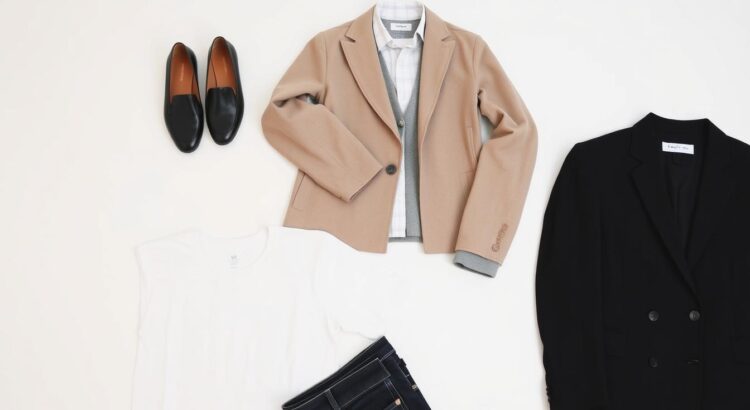
Starting with minimalist fashion tips can change how you dress. A minimalist wardrobe means fewer clothes but more focus. It makes your space cleaner and more organized.
Choosing minimalist wardrobe basics helps clear your closet. It means getting rid of what you don’t need. You’ll find what’s truly important and stick to it.
Going minimalist has many perks. You’ll have less clutter, easier upkeep, and a clearer style.
Key Takeaways
- Simplifying your wardrobe can lead to a more clutter-free living space.
- Adopting minimalist fashion tips can improve your personal style.
- Identifying essential pieces is crucial to building a minimalist wardrobe.
- A capsule wardrobe approach can simplify your dressing routine.
- Minimalist wardrobe basics include quality over quantity.
Understanding the Minimalist Wardrobe Philosophy
Embracing a minimalist wardrobe means choosing simpler, more meaningful fashion. It’s not just about having fewer clothes. It’s about picking items that make you happy and meet your needs.
The Core Principles of Wardrobe Minimalism
Wardrobe minimalism is all about simplicity, intention, and being green. By focusing on these, you can make a minimalist style guide. This guide helps you pick clothes wisely. It’s about keeping only the basics and choosing each item carefully.
Distinguishing Minimalism from Trend-Chasing
Many think minimalism is just about following trends. But it’s really about buying timeless pieces. To declutter your closet, know the difference between trendy and essential items. A minimalist wardrobe values quality over quantity, letting you create many outfits with a few pieces.
| Aspect | Minimalism | Trend-Chasing |
|---|---|---|
| Focus | Timeless, versatile pieces | Latest trends |
| Quality | High-quality, durable clothing | Often lower quality, fast fashion |
| Wardrobe Size | Smaller, curated selection | Larger, frequently changing collection |
“The key to a successful minimalist wardrobe is not just about getting rid of clothes, but about understanding what works for you and your lifestyle.”
Benefits of Embracing a Minimalist Wardrobe
A minimalist wardrobe helps your money, time, and the planet. It makes your life better in many ways.
Financial Advantages of Owning Less Clothing
One big plus is saving money. You spend less on clothes and more on quality items. This can save you a lot of money over time.
On average, Americans spend $1,700 a year on clothes. With a minimalist wardrobe, you could spend half that.
Time-Saving Benefits in Daily Decision Making
Having fewer clothes makes mornings easier. You don’t spend as much time picking what to wear. This makes your day less stressful and more productive.
Environmental Impact of Reduced Consumption
Less clothes mean less pollution. The fashion world is very bad for the planet. By buying less, you help the Earth.
Every year, the fashion world makes over 100 billion clothes. Most of these end up in landfills. By choosing less, you help reduce this waste.
| Benefits | Description | Impact |
|---|---|---|
| Financial Savings | Reduced clothing purchases | Significant savings over time |
| Time Efficiency | Simplified daily decision-making | More efficient morning routine |
| Environmental Impact | Reduced consumption and waste | Lower carbon footprint and less pollution |
Choosing a minimalist wardrobe makes your life simpler and greener. It’s true that “Less is more” in fashion.
Assessing Your Current Wardrobe Situation
Starting a streamlined wardrobe means looking at what you have now. You need to know what you’re working with to declutter and go minimalist.
Conducting a Comprehensive Closet Inventory
Begin by emptying your closet and sorting clothes into groups. This lets you see what you have and what’s still good. Make a wardrobe essentials checklist to keep track.
- Take out all clothes, shoes, and accessories from your closet and storage.
- Sort items into groups (like tops, bottoms, dresses, and outerwear).
- Check each item’s condition, like wear, fit, and if it fits your style.
Identifying Your Personal Style Preferences
After seeing what you have, figure out what you like. Ask yourself:
- What colors do you like to wear?
- Do you prefer certain fabrics or textures?
- What styles or shapes make you feel good?
Knowing your style helps you choose better clothes. This way, your minimalist wardrobe will really show who you are.
How to Build a Minimalist Wardrobe: The Decluttering Process
Starting a minimalist wardrobe means first cleaning out your closet. This step helps get rid of clothes you don’t need. It also helps you understand what you like to wear.
Decluttering might seem hard, but it’s easier with a plan. The four-pile method is a good way to start.
The Four-Pile Method: Keep, Donate, Sell, Recycle
The four-pile method sorts clothes into four groups: keep, donate, sell, and recycle. Begin by taking everything out of your closet. Then, sort items into these piles.
Be honest with yourself about each item. When did you last wear it? Does it fit right? Is it still in good shape?
Items that still look good but don’t fit your style can be donated or sold. Clothes that can’t be fixed should be recycled. This way, you decide what to keep and what to throw away.
Overcoming Emotional Attachments to Clothing
It’s hard to let go of clothes because of memories. But, it’s important to know the difference between memories and practical use.
Take photos of items that hold memories but are too worn out. This keeps the memory alive without keeping the item. Choose a few special pieces that make you happy.
By cleaning out your closet and using the four-pile method, you’re on your way to a minimalist wardrobe. It will be both useful and stylish. The goal is to declutter your closet and make your fashion choices simpler.
Essential Wardrobe Pieces for Every Minimalist
Starting a minimalist wardrobe means finding the key pieces. It’s not just about having fewer clothes. It’s about having the right pieces that can be mixed and matched to make many outfits.
Foundational Tops and Bottoms
The core of a minimalist wardrobe is its tops and bottoms. These are the pieces you wear most. So, choose items that are comfy and can be worn in many ways.
For tops, get a few good white or light-colored shirts. They go with many bottoms. A classic pair of jeans is also key. It can be dressed up or down. Plus, a simple black skirt or tailored trousers add variety.
| Type | Description | Versatility Score |
|---|---|---|
| White Shirt | Classic, high-quality, easy to pair | 9/10 |
| Pair of Jeans | Dark wash, straight fit | 9.5/10 |
| Black Skirt | Simple design, knee-length | 8.5/10 |
Versatile Outerwear Options
Outerwear is key to an outfit. For a minimalist wardrobe, have a few pieces that layer well. A classic trench coat adds sophistication. Or, a simple denim jacket for a casual look. For cold weather, a high-quality wool coat is stylish and practical.
Footwear Essentials
Footwear greatly affects an outfit’s look. For a minimalist wardrobe, have a few pairs that are comfy and stylish. White sneakers are versatile. A pair of black ankle boots adds sophistication. Sandals are great for warm weather. Choose shoes that go with many outfits.
“The key to a successful minimalist wardrobe is not just about reducing the number of items, but about curating a collection that brings you joy and serves your needs.”
Focus on these essential pieces for a minimalist wardrobe that’s stylish and functional. The goal is a wardrobe that’s easy to use. With pieces that complement each other and can be mixed and matched for many outfits.
Creating a Cohesive Color Palette
A good color palette is key to a minimalist wardrobe. It lets you mix and match clothes easily. This way, you can make many outfits with just a few pieces.
Selecting Neutral Base Colors
Neutral colors are the base of a minimalist wardrobe. Think white, beige, navy, and gray. These colors are timeless and easy to mix.
Choose colors that match your skin and hair. This makes your wardrobe look good on you.
Incorporating Accent Colors Strategically
Accent colors add fun to your wardrobe. Pick one or two colors that go well with your neutrals. Use them in tops, scarves, or accessories.
This way, you can add new colors without making your wardrobe too busy.
Follow these tips to make a color palette that makes your minimalist wardrobe shine. It will make getting dressed easier and more fun.
Quality Over Quantity: Investing in Durable Pieces
Investing in a minimalist wardrobe means owning better, not just less. You get better quality and looks. It also lasts longer.
Evaluating Fabric Quality and Construction
Fabric quality and how it’s made really matter. Choose pieces made from natural fibers like cotton, wool, and silk. They last longer than synthetic ones.
Check the stitching, seams, and buttons. A good piece has even, tight stitching and strong buttons or zippers.
Look at the fabric’s texture, weight, and weave. Good fabrics feel thick and have a tight weave. This means they can handle lots of wear and tear.
Understanding the True Cost-Per-Wear Calculation
Calculating the true cost-per-wear helps justify spending on quality items. It’s about dividing the item’s cost by how many times you wear it.
“A piece of clothing that’s worn frequently can be considered a good investment, even if it has a higher upfront cost.”
For example, a $100 coat worn 50 times costs $2 per wear. This is cheaper than a $20 coat worn only twice.
Thinking this way helps you choose durable, quality items. They might cost more upfront but are worth it in the long run.
Building Context-Specific Minimalist Wardrobes
Minimalist fashion is not for everyone. It’s about picking clothes for different times and places. You need clothes for work, play, and special events.
Work and Professional Attire Essentials
At work, choose capsule wardrobe essentials like a white shirt and tailored pants. A good blazer is also key. These items can be mixed to make many outfits.
Think about your work’s dress code. Buy a few quality, timeless pieces that fit well.
A simple dress or a fitted suit is great for meetings. Add a leather belt or a classic watch for a complete look.
Casual and Weekend Wear Basics
For weekends, pick comfort without losing style. Minimalist fashion tips suggest neutral colors with a few bold pieces. Get good denim, comfy tops, and versatile jackets.
For casual clothes, have a few jeans, simple tops, and sweaters. Don’t forget comfy shoes like sneakers or sandals.
Formal and Special Occasion Solutions
For formal events, have a few quality, versatile pieces. Think about a classic black dress or a tailored tuxedo. Minimalist fashion tips for formal wear include simple jewelry and clean lines.
A simple formal outfit is a well-fitted dress or suit with simple accessories. Remember, keep it simple and elegant.
Adapting Your Minimalist Wardrobe for Different Seasons
A good minimalist wardrobe can change with the seasons. It’s all about layering and smart storage.
Layering Strategies for Year-Round Versatility
Layering makes your wardrobe versatile for all seasons. Use layering pieces like light sweaters and waterproof jackets. This way, you can change your outfits for any weather.
- Begin with light base layers for warm months.
- Add warm layers like fleece or wool for cold seasons.
- Use waterproof jackets as outer layers for protection.
Efficient Seasonal Storage Solutions
Good storage keeps your closet tidy. Here are some tips:
- Put away out-of-season clothes in labeled bins.
- Use vacuum-sealed bags to save space and keep things dry.
- Keep your favorite clothes easy to reach. Store less often used items in harder spots.
With these tips, your minimalist wardrobe will stay simple and flexible all year.
Sustainable and Ethical Considerations
Choosing a minimalist wardrobe is more than looks. It’s about picking clothes that are good for the planet and people. This way, we buy less and think more about what we buy.
Minimalism helps us choose clothes that are kind to the earth and people. We look for brands that treat workers right and use green materials. We also fix and change our clothes to make them last longer.
Researching Ethical Clothing Brands
It’s important to find ethical clothing brands for our minimalist wardrobe. These brands make clothes in a way that’s good for everyone. They use materials that don’t harm the planet and treat workers fairly.
Some great brands to look for are:
- Patagonia
- Reformation
- Everlane
Choosing these brands helps us make sure our clothes match our values.
Extending Garment Lifespan Through Repairs and Alterations
Keeping clothes in good shape is key to minimalism. We can do this by:
- Cleaning and storing clothes right
- Fixing things like torn seams or broken buttons
- Changing clothes to fit better and look new again
By doing these things, we can use our clothes for a long time. This means we don’t need to buy new clothes as often. It’s good for the planet and our wallets.
Styling Tips for Maximum Versatility
Having the right wardrobe essentials makes styling easy. It’s not about owning a lot. It’s about having a minimalist style guide for everyday dressing.
Creating Multiple Outfits from Limited Pieces
The secret to a great minimalist wardrobe is mixing and matching. Start with your wardrobe essentials checklist. Look for pieces that can be layered or paired in many ways.
A simple white shirt can be formal or casual. Pair it with trousers for a dressy look or jeans for a relaxed vibe.
- Layer a lightweight sweater over a basic tee for a versatile look.
- Use a scarf to add a pop of color and texture to an otherwise simple outfit.
- Swap shoes to dramatically change the look of an outfit, from sneakers for casual wear to heels for a more formal event.
Strategic Accessorizing to Transform Basic Looks
Accessories can make a basic outfit stand out. They add personality and elegance. Here are some accessorizing tips:
- Choose statement pieces like bold necklaces or earrings to elevate your look.
- Belts can help define your waist, adding shape to loose-fitting clothes.
- Hats and bags not only serve a functional purpose but can also be used to add a stylish touch.
By using these styling tips, your minimalist wardrobe can create many outfits. It stays simple yet elegant.
Conclusion: Embracing the Freedom of Less
By simplifying your closet, you can change your life. Minimalist wardrobe basics help you feel less stressed and more stylish.
Choosing a few key pieces means you can mix and match outfits easily. This way, you avoid clutter and waste.
Having a simple closet makes your home feel more peaceful. Remember, it’s not just about having less. It’s about living more thoughtfully.
FAQ
What is a minimalist wardrobe?
A minimalist wardrobe has a few key items. They are simple, versatile, and high quality. This makes getting dressed easy and clutter-free.
How do I start building a minimalist wardrobe?
First, look at what you already have. Think about your style. Then, clean out your closet to see what you need.
What are the benefits of having a minimalist wardrobe?
It saves money and makes choosing outfits easier. It’s also better for the planet because you buy less.
How do I choose the right pieces for my minimalist wardrobe?
Pick timeless, quality items that fit well. They should match your style. Remember, you likely wear 20% of your clothes 80% of the time.
What is the four-pile method for decluttering my closet?
Sort clothes into four piles: keep, donate, sell, and recycle. This helps you clean and organize your closet.
How do I maintain a clutter-free closet?
Clean and organize regularly. Use a “one in, one out” rule to keep clutter away.
Can I still be fashionable with a minimalist wardrobe?
Yes, you can be stylish with a minimalist wardrobe. It focuses on quality over quantity, making outfits easy to create.
How do I adapt my minimalist wardrobe to different seasons?
Use layering for different seasons. Store out-of-season clothes well to keep your closet tidy all year.
What role does sustainability play in building a minimalist wardrobe?
Sustainability is key in a minimalist wardrobe. It means buying less, supporting ethical brands, and fixing clothes to last longer.
How can I style my minimalist wardrobe for maximum versatility?
Create many outfits with a few pieces. Use accessories to change up simple looks and add variety.
What are some common challenges people face when transitioning to a minimalist wardrobe?
Challenges include letting go of favorite items, avoiding fast fashion, and dressing more mindfully.