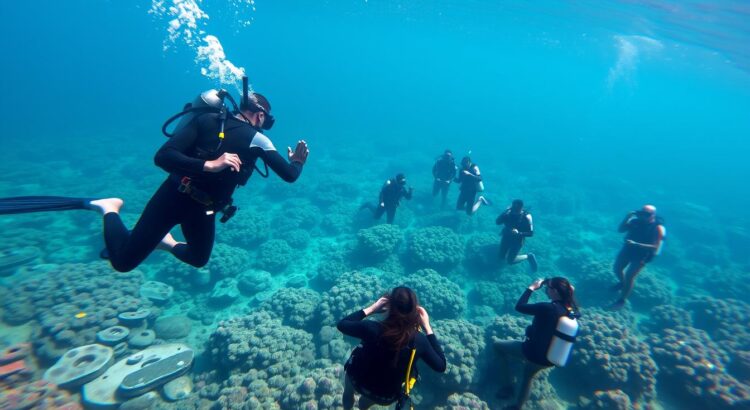
Beginner’s guide to getting scuba certified

Beginner’s Guide to Scuba Certification

Starting a scuba diving adventure is exciting. But, you need the right training and certification for safety and fun.

To become a scuba diver, you’ll learn about gear, techniques, and safety. Getting scuba certified is a big part of this.

The scuba certification process teaches you to dive safely. It also lets you explore the ocean’s depths. This article will guide you through the scuba certification journey.

Key Takeaways

  • Understanding the importance of scuba certification
  • Learning about the scuba certification process
  • Discovering the benefits of becoming a scuba diver
  • Exploring the world of scuba diving
  • Getting started with scuba training

What is Scuba Certification and Why You Need It

Scuba certification is key for safe and fun underwater adventures. It teaches you how to dive well and stay safe. You’ll learn important skills and knowledge.

The Importance of Proper Training

Good training is the heart of scuba certification. It gives you the skills to handle emergencies and dive safely. Without it, diving can be dangerous.

Training programs, like PADI or SSI, teach you about dive planning and safety. You’ll also learn about the ocean and its creatures.

Legal Requirements for Diving

Scuba diving laws vary by place. But, many places require a certification to dive. This ensures divers are well-trained.

Some countries have their own rules for diving. Knowing these rules helps plan your dives, especially when traveling.

Understanding Different Scuba Certification Agencies

Many agencies offer scuba diving certification. Each has its own programs and benefits. Your choice depends on what you want to do underwater. We’ll look at the main agencies and help you pick the best one.

PADI vs. SSI vs. NAUI

PADI, SSI, and NAUI are well-known. They each teach scuba diving in their own way.

  • PADI is known for its e-learning options and streamlined certification process.
  • SSI offers a more flexible training program with a focus on progressive learning.
  • NAUI is recognized for its rigorous training standards and comprehensive course material.
Certification Agency Training Methodology Course Structure
PADI Streamlined, e-learning options Standardized worldwide
SSI Flexible, progressive learning Adaptive to different learning styles
NAUI Rigorous, comprehensive Emphasis on safety and diving techniques

Which Certification is Right for You

Choosing the right agency depends on your personal diving goals and learning preferences. Think about the course, how you learn, and the cost.

“The key to a great diving experience is proper training. Choose a certification agency that aligns with your learning style and diving aspirations.” – Dive Expert

Knowing the differences between PADI, SSI, and NAUI helps you choose the best scuba diving certification course for you.

Beginner’s Guide to Getting Scuba Certified: The Process Overview

Getting scuba certified is a big journey with many steps. It’s a training program that teaches you to dive safely. You’ll learn a lot and feel ready to dive.

Classroom Learning Phase

Your scuba diving journey starts in the classroom. Here, you learn about scuba diving basics. You’ll learn about safety, how to use equipment, and diving techniques. Interactive materials and discussions with your instructor make learning fun.

You’ll learn about diving physics and how to stay safe. It’s important to pay attention and learn well. This will help you dive better.

Confined Water (Pool) Training

Next, you’ll practice in a swimming pool. This is where you get to try out your skills. You’ll learn to breathe underwater and use your equipment. This is important for feeling comfortable in the water.

Skill Description
Breathing Underwater Getting comfortable with scuba gear and breathing underwater
Equipment Usage Learning to properly use and manage scuba diving equipment
Basic Diving Maneuvers Mastering skills such as hovering, descending, and ascending

Open Water Dives

The last step is diving in open water. This is where you put your skills to the test. You’ll dive in places like lakes or oceans. This is where you get to dive for real.

“The greatest glory in living lies not in never falling, but in rising every time we fall.” – Nelson Mandela. This quote is true for scuba diving too. It’s about learning from mistakes and trying again.

Throughout your training, you’ll have instructors to help you. They will give you feedback and support. By the end, you’ll be certified and ready to dive safely and enjoyably.

Prerequisites and Requirements for Scuba Certification

To get scuba certified, you must meet certain scuba certification requirements. These rules are to keep you safe underwater. They help you get ready for diving and lower risks.

Age and Health Requirements

You must be at least 15 years old (10 for junior certifications) and healthy. You’ll need to answer a health questionnaire. This is to check if any health issues might be a problem while diving.

Swimming Abilities Needed

You don’t have to be a great swimmer, but you should be okay in the water. You’ll need to show you can float or tread water for a bit. And swim a little distance on your own.

These skills are key for beginner scuba diving certification. They help you stay safe in the water.

Meeting these requirements is the first step to how to get scuba certified. Being ready physically and skill-wise makes diving safe and fun.

Essential Scuba Gear for Beginners

Starting your scuba diving journey? Knowing the essential gear is crucial. Scuba diving equipment keeps you safe and makes diving fun. But, with so many choices, it can feel overwhelming.

What to Buy vs. What to Rent

For newbies, renting scuba gear is a good start. It lets you try different equipment without spending a lot. But, if you’re serious about diving, buying your own gear can save money in the long run.

Key items to consider renting or buying include:

  • Mask
  • Fins
  • Regulator
  • BCD (Buoyancy Control Device)

Basic Equipment Explained

It’s important to know about basic equipment. Here’s a quick guide:

Equipment Description
Mask Allows you to see underwater clearly
Fins Provides propulsion through the water
Regulator Delivers air to breathe at the correct pressure
BCD Controls your buoyancy underwater

By knowing what to rent and buy, and understanding basic equipment, you’ll be ready for your scuba diving journey.

Finding the Right Scuba Diving Course

Choosing the right scuba diving course is very important. There are many options, so pick the one that fits your goals and likes.

Local Dive Shops vs. Destination Certification

You can pick between local dive shops and destination certification programs. Local shops are close to home and know the local waters well. Destination programs mix learning with a trip, showing you new places and cultures.

For more info on starting scuba diving, check out https://www.businessofdiving.com/scuba-diving-for-beginner.

Evaluating Instructors and Facilities

It’s key to check the instructors and facilities. Look for instructors who are skilled, patient, and well-liked. The facilities should be clean, with new gear and a safe place to learn.

Reading reviews and asking for tips can help you choose well. This way, your diving course will be fun and teach you a lot, preparing you for a great diving career.

Online vs. In-Person Learning Options

Scuba diving certification is now easier to get. You can learn online or in person. This lets you pick what works best for you.

E-Learning Benefits and Limitations

Online learning for scuba diving has benefits. You can learn when you want and at your own speed. But, it lacks hands-on practice and direct talks with teachers.

  • Flexibility in study schedule
  • Access to a wide range of study materials
  • Limited hands-on training
  • Less direct interaction with instructors

Hybrid Certification Programs

Hybrid programs mix online and in-person learning. You do theory online and practice in person. This way, you get the best of both worlds.

Program Type Online Component In-Person Component
Online Only Yes No
In-Person Only No Yes
Hybrid Yes Yes

When picking a scuba diving program, think about how you learn. Also, consider your schedule and what you prefer. This helps you choose the right option for you.

The Cost of Getting Scuba Certified

Scuba diving certification is an investment in your underwater adventures. It’s important to know the costs involved. The total cost includes course fees, equipment, and sometimes travel expenses for training dives.

Course Fees Breakdown

The course fee is a big part of the cost. It covers instruction, facilities, and equipment rental for training sessions. On average, a scuba diving certification course can cost between $400 to $600. This depends on the certification agency, location, and the specific course.

Here’s a rough breakdown of what you might expect to pay for:

  • Classroom sessions and materials: $100-$200
  • Confined water training: $100-$150
  • Open water dives: $200-$300

Equipment Investment Considerations

Some courses may include equipment rental. But, you’ll need to buy your own scuba diving gear if you plan to dive often. The initial investment in basic equipment can range from $500 to $1,000. This depends on the quality and brand of the gear.

Start with the essentials like a mask, snorkel, fins, and a wetsuit. As you get more experience, you can add more advanced equipment. Buying second-hand or renting gear are also good ways to save money.

What to Expect During Your Scuba Training

Starting scuba training is thrilling. It needs getting ready and the right attitude. You’ll learn a lot in this adventure. You’ll get the skills and knowledge for safe and fun diving.

Common Challenges for Beginners

Beginners might struggle with staying buoyant, equalizing ear pressure, and finding their way underwater. To beat these, stay calm, listen to your instructor, and practice a lot. For more tips, check out PADI’s guide on how to scuba. It has great advice on the scuba certification process.

  • Staying relaxed during dives
  • Practicing buoyancy control
  • Mastering equalization techniques

Skills You’ll Master

You’ll learn many important skills in scuba training. These include setting up your gear, navigating underwater, and handling emergencies. By the end, you’ll dive safely and enjoy exploring the ocean.
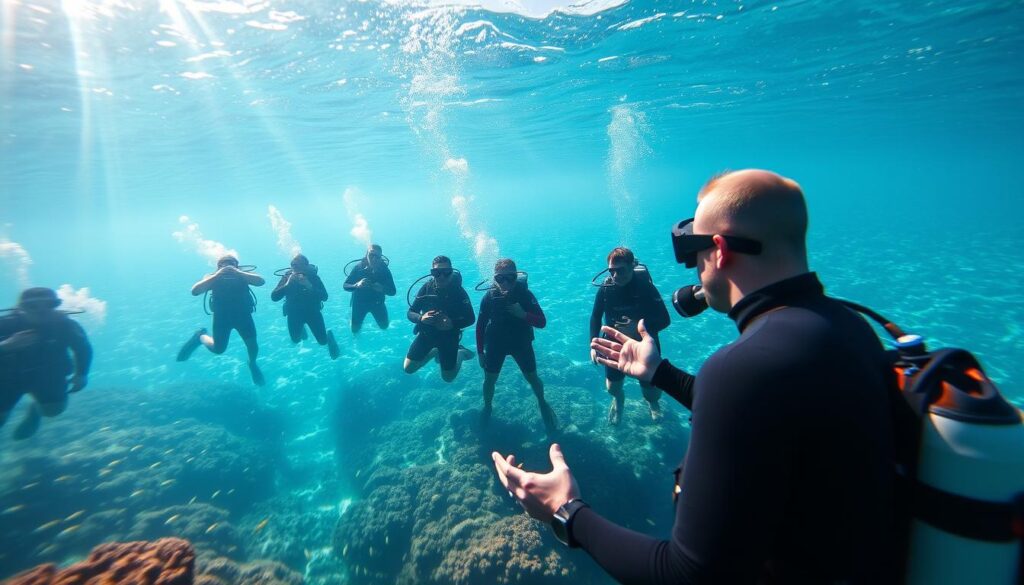
scuba diving lessons for beginners

  1. Equipment setup and usage
  2. Underwater navigation
  3. Emergency response procedures

After Certification: Building Experience as a New Diver

Getting your scuba certification is just the start. Now, it’s time to dive into the underwater world. You’ll want to dive often, get better at diving, and learn about the sea.

First Post-Certification Dives

For your first dives, pick places you know well. This makes you feel more confident. Guided dives with an experienced instructor or dive master are also great. They teach you safe diving and share their knowledge.

Logbooks and Dive Insurance

Keeping a dive logbook is key. It tracks your dives and notes what you see. It helps plan future dives and shows your experience. Also, get dive insurance to be safe during dives.

Continuing Education Options

Want to get better at diving? Look for continuing education courses from your certification agency. These might teach wreck diving, night diving, or underwater photography. Learning more opens up new adventures.

  • Gain experience by diving in various conditions.
  • Maintain a detailed dive logbook.
  • Consider continuing education to specialize in specific diving skills.

Conclusion: Taking the Plunge into the Underwater World

Starting a scuba diving journey can change your life. This guide shows you how to get scuba certified. It talks about the importance of training, choosing the right agency, and doing the needed coursework and dives.

Scuba diving might seem scary at first, but it’s really fun. This guide helps you learn to dive safely. It also shows you a new world under the water.

Getting certified lets you join a community of divers. You’ll see amazing things like shipwrecks and coral reefs. Scuba diving shows you a different side of our planet. Start your scuba diving adventure today.

FAQ

What is the minimum age to get scuba certified?

You can get scuba certified at 10 years old with some agencies. But, most need you to be 15 or older for the full certification.

What are the health requirements for scuba certification?

You must be healthy to dive. You’ll need to pass a medical check. Some health issues might need a doctor’s okay.

Do I need to be a strong swimmer to get scuba certified?

You don’t have to swim well. But, you should be okay in the water. You’ll need to pass a swimming test.

What is the difference between PADI and SSI scuba certification?

PADI and SSI are both trusted for scuba training. They teach similar things but in different ways. Pick what works best for you.

Can I get scuba certified online?

Some online learning is part of scuba training. But, you must do in-water training to get certified.

How much does scuba certification cost?

Scuba certification costs vary. It’s usually 0 to 0. This includes classes, pool training, and dives.

What equipment do I need to buy to get scuba certified?

You’ll need basic gear like a mask and fins. Some courses let you rent. Others might ask you to buy or rent.

How long does it take to get scuba certified?

Certification takes 3-4 days. This includes classes, pool time, and dives.

What should I expect during my first scuba dive after certification?

Your first dive will have a guide. They’ll help you and teach you more. Always dive safely and follow rules.

Do I need dive insurance as a newly certified diver?

Dive insurance is a good idea. It covers risks and accidents. Many places offer insurance or suggest providers.
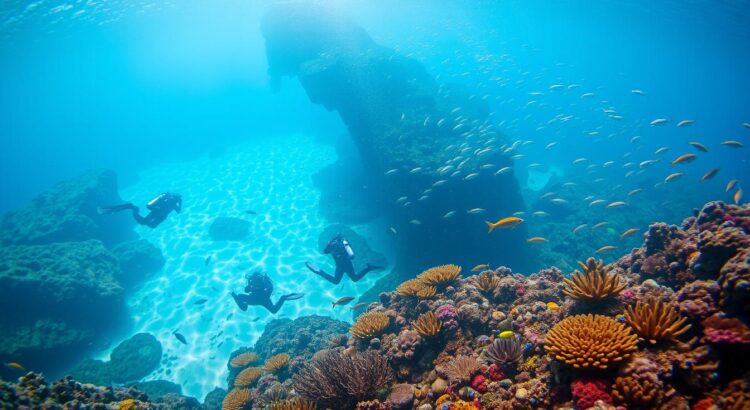
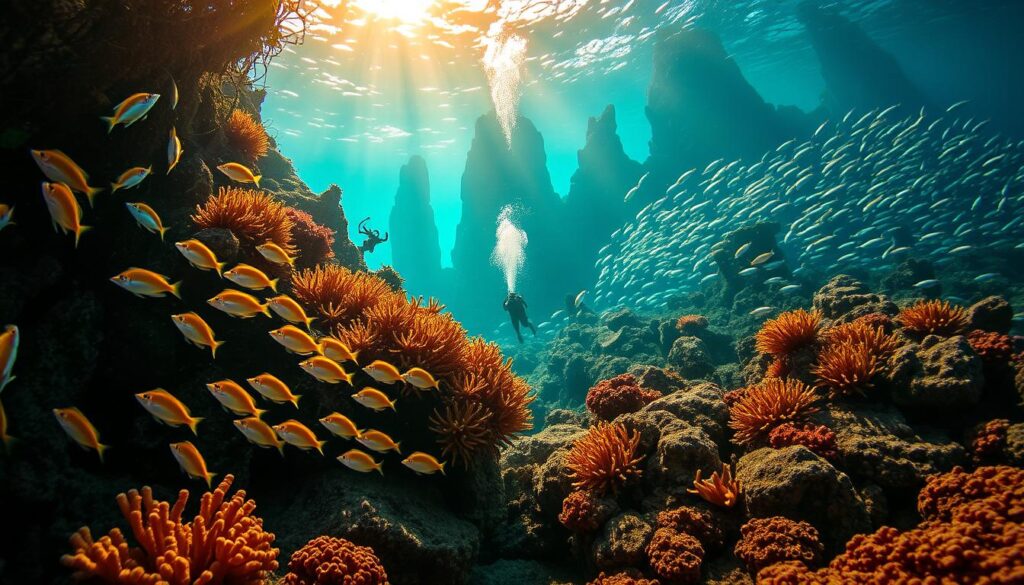
Best scuba diving destinations in Asia

Explore the Most Breathtaking Scuba Diving in Asia

Asia has some of the world’s most amazing scuba diving spots. The area is full of colorful coral reefs and diverse sea life. It’s a dream place for those who love to dive.

The Coral Triangle is in Malaysia, Indonesia, the Philippines, and Timor Leste. It’s famous for its huge variety of sea creatures. You can find 76% of the world’s coral species and over 2000 types of reef fish here.

Asia has dives for all, from easy ones for beginners to tough ones for experts. This article will show you the best places for a dive you’ll never forget.

Key Takeaways

  • Diverse marine life in Southeast Asia’s waters
  • The Coral Triangle is home to 76% of the world’s coral species
  • Asia offers a range of diving experiences for all levels
  • Top diving spots include locations in Malaysia, Indonesia, and the Philippines
  • Unforgettable diving adventures await in Asia’s vibrant coral reefs

The Underwater Wonders of Asia

Asia’s underwater wonders show the region’s amazing beauty and life. It has many marine ecosystems. This makes it a dream place for divers.

Why Asia Stands Out for Diving Enthusiasts

Asia is a top spot for diving because of its incredible array of marine life and coral reefs. Divers can see many species. This includes colorful fish and big creatures like mantas and whale sharks.

  • Diverse marine ecosystems
  • Rich coral reefs
  • Abundant marine life

The Coral Triangle: The World’s Marine Biodiversity Hotspot

The Coral Triangle is in Indonesia, Malaysia, the Philippines, and Timor Leste. It’s the global center of marine life. It has 76% of the world’s coral species and over 2000 species of reef fish.

Diving in Asia, especially in the Coral Triangle, is amazing. You’ll see many marine species. The area’s rich marine biodiversity makes it one of the best places to dive in Asia.

Best Scuba Diving Destinations in Asia

Asia has amazing scuba diving spots. You can see colorful coral reefs and cool wreck dives. It’s perfect for all diving fans.

The Diversity of Asian Diving Experiences

Asia has many diving spots. You can dive among coral in the Similan Islands, Thailand. Or explore wrecks in Coron Bay, Philippines.

There’s also muck diving in Lembeh, Indonesia. Each place offers a special dive experience. You can see lots of marine life.

Seasonal Considerations for Planning Your Asian Dive Trip

When planning a dive trip to Asia, think about the weather and sea. The dry season, from November to April, is best for diving. But, the Andaman Sea is good all year.

Understanding Marine Life Encounters Across Asia

Asia’s dives are known for their marine life. You can see manta rays and whale sharks in the Maldives. Indonesia’s muck diving sites have cool macro life.

Knowing about the marine life makes diving better. It also helps us dive responsibly.

In conclusion, Asia’s diving spots are full of life and adventure. By knowing about the dives and marine life, you can plan a great trip.

Southeast Asian Diving Paradises

The diving spots in Southeast Asia are amazing. This area is full of colorful sea life and beautiful places to dive.

Thailand’s Andaman Sea and Gulf Treasures

Thailand is a top spot for diving. Places like the Similan Islands and Richelieu Rock are very popular. The Similan Islands have bright coral and lots of fish. Richelieu Rock is known for bull shark and leopard shark sightings.

Similan Islands and Richelieu Rock

The Similan Islands have dives for all levels. Richelieu Rock is famous for its clear water and lots of sea creatures.

Koh Tao and Sail Rock

Koh Tao is great for new and experienced divers. Dive sites like Chalok Baan Khao have many sea creatures. Sail Rock, between Koh Tao and the mainland, is known for pelagic encounters.

The Philippines: Premier Dive Sites Among 7,000 Islands

The Philippines is a top diving spot, with many dive sites on its 7,000 islands. Tubbataha Reefs Natural Park and Apo Reef are famous.

Tubbataha Reefs Natural Park

Tubbataha Reefs is a UNESCO World Heritage Site. It has untouched coral reefs and lots of sea life. Divers can see sharks, rays, and turtles.

Apo Reef and Coron Bay Wrecks

Apo Reef has healthy coral and many fish. It’s good for snorkeling and diving. Coron Bay is known for its Japanese shipwrecks from World War II.

Indonesia’s Spectacular Underwater Landscapes

Indonesia has amazing underwater views. Raja Ampat is famous for its coral and is one of the best diving spots in the world.

Destination Notable Features Best Time to Visit
Similan Islands, Thailand Vibrant coral, diverse fish life November to April
Tubbataha Reefs, Philippines Pristine coral reefs, rich marine biodiversity March to June
Raja Ampat, Indonesia Incredible coral diversity October to April

The Pristine Waters of Malaysia and Borneo

Malaysia and Borneo have some of the clearest waters in Asia. They are home to a wide variety of marine life. Each diving spot offers a unique way to see the underwater world.

Sipadan: World-Class Wall Diving

Sipadan is off the coast of Borneo. It’s famous for its underwater walls and many sea creatures. You can see turtles and sharks against the vertical drop-offs.

Visibility here is often over 30 meters. It makes for an exciting dive.

Layang Layang: Hammerhead Shark Encounters

Layang Layang is great for seeing hammerhead sharks. This atoll is where these big sharks gather. It’s a place for unforgettable dives.

The site’s rough terrain and strong currents attract big pelagic species. It’s a thrilling dive.

Mabul and Kapalai: Macro Photography Heaven

Mabul and Kapalai are perfect for macro photography. They have lots of small sea creatures. You can take amazing pictures of frogfish, nudibranchs, and more.

The water is shallow and calm. It’s ideal for photographers wanting to get the perfect shot.

Diving in Malaysia and Borneo is amazing. It has something for every diver. From Sipadan’s wall dives to Mabul and Kapalai’s photography, it’s a top spot for diving.

Japan and Taiwan: Temperate Diving Experiences

Beyond Southeast Asia’s warm waters, Japan and Taiwan offer cool diving spots. These places are becoming more popular. They have different sea life and beautiful underwater views.

Okinawa’s Subtropical Marine Ecosystems

Okinawa, Japan, is famous for its clear waters and sea life. You can see colorful coral and tropical fish here. It has many dive spots, like reefs and walls, making it a must-visit for subtropical diving.

Taiwan’s Green Island and Orchid Island

Taiwan’s Green Island and Orchid Island are becoming known as great dive spots. Green Island has vibrant coral reefs and lots of sea life. Orchid Island has unique diving experiences with its rough underwater views. Both islands let divers see less common places in the North Pacific.

Unique Marine Life of the North Pacific

The North Pacific around Japan and Taiwan has special sea life. Divers can see creatures not found in warm waters. This makes diving here exciting. It shows the rich ecosystems of the North Pacific.

In summary, Japan and Taiwan are becoming popular dive locations in Asia. They offer cool diving experiences. With their unique sea life and underwater views, these places are great for new adventures.

South Asian Underwater Treasures

The underwater world of South Asia is full of exciting diving spots. This area has some of the most beautiful and least known diving places. Divers can see untouched coral reefs and many kinds of sea creatures.

The Maldives: Diving Among Mantas and Whale Sharks

The Maldives is famous for seeing big sea animals like mantas and whale sharks. Divers can dive in the clear waters of the Indian Ocean. They will see the rich sea life of this island nation.

North and South Atolls Highlights

The North and South Atolls of the Maldives have colorful coral reefs and lots of sea life. Divers can see many species, like manta rays and whale sharks, in their natural home.

Channel Diving for Pelagic Species

Channel diving in the Maldives is exciting. It lets divers see pelagic species in open water. This diving is for those with some experience but is very rewarding.

Sri Lanka’s Emerging Dive Scene

Sri Lanka is becoming a new place for diving. It has a lot of sea life and old shipwrecks. The dive sites have coral reefs, rock formations, and exciting sea life. For more info on diving in Sri Lanka and Asia, visit Kamakshi Ayyar’s editorial.

India’s Andaman Islands: Remote Diving Frontiers

India’s Andaman Islands offer remote diving with untouched coral reefs and sea life. The dive sites are very beautiful. Divers can see many species, from colorful fish to big pelagics.

best places to dive in Asia

South Asia’s underwater treasures show the region’s natural beauty and sea life. Whether diving in the Maldives, exploring Sri Lanka, or finding remote spots in India’s Andaman Islands, you’ll have a great time.

Top Scuba Diving Spots in Asia for Specialized Experiences

Asia has many dive sites for all kinds of dives. You can dive wrecks, take macro photos, or see big sea creatures. It’s full of life under the sea, perfect for unique dives.

Best Wreck Diving Locations

Asia has many wreck dives, like Coron Bay in the Philippines. It’s known for Japanese shipwrecks. Divers get to see history and have fun.

Must-Visit Diving Sites for Macro Photography

Lembeh Strait in Indonesia is great for macro photos. It’s full of small but cool sea creatures. It’s a dream spot for photographers.

“Lembeh Strait is a haven for macro photographers, with its diverse array of marine life and ideal diving conditions.”

Premier Dive Sites for Large Pelagic Encounters

For big sea creatures, try the Maldives or Raja Ampat. These places have lots of marine life. You might see mantas or whale sharks.

Location Specialized Experience Notable Marine Life
Coron Bay, Philippines Wreck Diving Japanese shipwrecks, diverse fish species
Lembeh Strait, Indonesia Macro Photography Small marine life, unique species
Maldives Large Pelagic Encounters Mantas, whale sharks

Planning Your Asian Diving Adventure

Going on an Asian diving adventure needs careful planning. There are many premier dive sites in Asia to pick from. Each place offers a special diving experience.

Liveaboards vs. Land-Based Diving

First, decide if you want a liveaboard or land-based diving. Liveaboards let you dive at many places, even far-off ones. Land-based diving is more relaxed, with a place to stay each night. It’s up to you and what you want to do.

Essential Gear for Asian Diving Conditions

Asia’s different diving spots need the right gear. You’ll need a good mask, fins, and a wetsuit or dive skin. Quality gear makes diving better.

Navigating Local Regulations and Dive Standards

It’s important to follow local diving rules and standards. Each country in Asia has its own rules for diving. Knowing and following these rules keeps you safe and helps protect the ocean.

Conclusion: The Unmatched Allure of Asian Waters

Asia’s waters are a top spot for diving. They have some of the best diving places in Asia. You can see colorful coral reefs and meet many sea creatures.

Places like the Coral Triangle and Japan’s waters are great for diving. They have fun spots for all kinds of divers. Asia is known for its friendly diving communities and amazing dive sites.

Asia offers many diving adventures. You can swim with manta rays and turtles. Or, you can explore old shipwrecks from World War II. Asia’s waters are perfect for both new and experienced divers.

FAQ

What are the best scuba diving destinations in Asia?

Asia has many great places for scuba diving. The Similan Islands in Thailand and Tubbataha Reefs in the Philippines are top picks. Raja Ampat in Indonesia, Sipadan in Malaysia, and the Maldives are also favorites.

What makes the Coral Triangle so special for diving?

The Coral Triangle is known for its amazing marine life. It’s in Indonesia, Malaysia, the Philippines, and Timor Leste. It’s a great place for divers and helps many people make a living.

What type of diving experiences can I expect in Southeast Asia?

Southeast Asia has many diving experiences. You can see coral reefs and colorful fish. There are also wreck dives and muck diving for all levels.

Are there any unique diving experiences in Japan and Taiwan?

Yes, Japan and Taiwan offer different diving experiences. Okinawa has clear waters and unique ecosystems. Taiwan’s Green Island and Orchid Island are known for their special marine life.

What are the best places for wreck diving in Asia?

Coron Bay in the Philippines is great for wreck diving. It has many Japanese shipwrecks. The Similan Islands and Richelieu Rock in Thailand also offer exciting dives.

How do I plan a diving adventure in Asia?

Planning a dive in Asia involves several steps. Choose between liveaboard or land-based diving. Understand local rules and know the best times to dive.

What is the best time to dive in Asia?

The best time to dive in Asia depends on where you go. The Maldives has diving all year. But, Thailand’s Similan Islands have a special season.

What are the premier dive sites for large pelagic encounters in Asia?

The Maldives, Raja Ampat, and Layang Layang are great for big pelagics. You can see mantas, whale sharks, and hammerhead sharks.

What gear should I bring for diving in Asia?

You’ll need a wetsuit or dive skin, mask, snorkel, fins, and a dive computer. The gear you need changes based on where you dive and what you do.

Are there any specific local regulations or dive standards I should be aware of when diving in Asia?

Yes, knowing local rules and standards is key for safe diving in Asia. Some places have special rules for certification and equipment.

Galapagos Liveaboard Scuba

When deciding on a Galapagos liveaboard scuba trip, there are several factors you should consider. These include the cost of the trip and the conditions you will find while diving. Read on for some tips on how to prepare for your dives in this beautiful destination. This article will provide you with the information you need to choose a scuba liveaboard. Once you've done your research, you'll be well-equipped to make the most of your experience.

Diving conditions in the Galapagos Islands

Diving conditions in the Galapagos islands are varied. The water is often cold and the visibility can be as low as 10 meters. However, the currents in the Galapagos are rich in nutrients that attract marine life. As a result, Galapagos diving is one of the world's best dive sites for pelagic life. The diverse cast of creatures found in these waters includes sunfish, blue-footed boobies, and sea turtles.

Water temperatures in the Galapagos range from eighteen to thirty degrees Celsius. The driest months are September to November, and the warmest are February to April. The water temperatures can drop by one to five degrees Celsius at a meter of depth. To combat the cold, scuba divers should dress accordingly. A wetsuit is a necessity. Fortunately, most scuba diving shops in the Galapagos Islands stock appropriate gear for these conditions.

Water temperatures in the Galapagos vary from twelve to twenty-six degrees Fahrenheit. This can be dangerous for a newcomer, so bring your own exposure protection. A drysuit with light or thick undergarments is recommended. Gloves are highly recommended, as they provide support in the water. A reef hook is another essential item to pack for Galapagos diving. In addition to a drysuit, you'll need a mask, snorkel, fins, and a light dive tank.

You can expect a variety of marine life in the Galapagos. Besides sharks, you'll also see many types of pelagic fish, including hammerheads and white tips. In addition, you'll see numerous marine iguanas and other creatures. You'll likely be the only person in the Galapagos Islands to encounter hammerhead sharks.

Scuba diving in the Galapagos Islands is a fantastic experience that can help you experience the uniqueness of this beautiful place. It is important to select the right scuba diving conditions based on your experience and the type of dive you want to enjoy. It's not just the underwater inhabitants that make this dive destination unique. The landscapes and species are truly unique and spectacular. Take advantage of every opportunity you can to enjoy your dive.

Diving on a liveaboard in the Galapagos Islands

The water temperature in the Galapagos Islands fluctuates between 24 and 30 degrees Fahrenheit. During the dry season, water temperatures are less than half that. However, diving conditions during this period are more conducive to seeing manta rays and hammerhead sharks. The visibility during the wet season is good, but visibility can be hazy and limited at times.

Scuba divers should expect to see large marine animals during their visit to the Galapagos Islands. These creatures include hammerhead sharks, marine iguanas, sea turtles, and penguins. Liveaboard dive cruises will spend an entire week on the water, offering three to four dives a day. The liveaboards will also offer the opportunity to go ashore and explore the Islands' natural spaces.

Liveaboards offer more space and more amenities than a traditional cruise ship. They offer a comfortable atmosphere and plenty of room for relaxing. The itinerary includes some of the best dive locations in the Galapagos, including Wolf Island and Marchena Island, which have large concentrations of Galapagos sharks. Onboard cameras, video equipment, and other gear bins will make your trip a memorable experience.

In addition to the unique marine life, Galapagos diving promises incredible sightings. You will see hammerhead sharks and scalloped hammerheads, marine iguanas, and penguins. The Galapagos Islands are also home to silky sharks, manta rays, and eagle rays.

When deciding which liveaboard to book, you should consider your personal requirements. Liveaboards are designed for experienced scuba divers who have completed more than 50 dives. However, some liveaboards may require a certain level of experience, and the Galapagos Sky, the largest vessel in the area, offers modern amenities for experienced divers. There are many benefits to diving on a liveaboard in the Galapagos Islands, but you should make sure that you're prepared before booking.

Liveaboards may be a good choice if you have limited time. Liveaboards visit several islands during your itinerary, and many liveaboards feature excellent sites for snorkeling and underwater photography. In addition, the luxury of a cabin and a private bathroom is an added bonus. Besides, this is a great way to experience the Galapagos Islands in a more intimate way.

Travel options on a liveaboard in the Galapagos Islands

For travelers who love to dive, a liveaboard trip offers the best way to explore the islands. Liveaboard itineraries can be as short as three days or as long as 16 nights. You'll enjoy three dives a day and a variety of shore excursions. And you can even spend the day soaking up some vitamin D on the sundeck.

As you explore the islands, you'll come across a wealth of marine and land animals, including hammerheads, dolphins, sea lions, and even whale sharks. A liveaboard will get you to all of the best dive sites in the area at the right time, which makes the experience even more special. El Arco is one of the most popular dive sites on the Galapagos Islands, where you'll see hammerheads, hammerhead sharks, and eagle rays. And as an added bonus, you'll have the opportunity to dive in pristine waters with these creatures.

You can also go snorkelling and scuba diving on the islands while on your liveaboard. Liveaboard scuba allows you to explore the islands' pristine coral reefs and corals. You can also get up close to large schools of hammerhead sharks. You can even see dolphins and marine iguanas. And if you're lucky, you'll even see penguins, which are incredibly rare to see in the wild.

The Humboldt Explorer is one of the more affordable Galapagos liveaboards. This 33-metre vessel has eight air-conditioned cabins with DVD players and televisions. It also has a sundeck jacuzzi, and a proper camera table for photographers. It runs eight-night cruises. The ship is environmentally conscious and has top dive guides.

Whether you want to snorkel or scuba, there are several travel options on a liveaboard saga in the Galapagos Islands. While diving is the most popular option, liveaboard trips can be extended to include the land experience. If you have the time, two-week packages are popular. There are also land-based resorts that combine dive days with land excursions.

Cost of a liveaboard in the Galapagos Islands

There are several reasons why you would want to join a liveaboard scuba in The Galapagos Islands. One reason is that you'll be in a more pristine setting than you'd otherwise be able to find on land. Galapagos scuba diving can be dangerous, so you should only book a trip with experienced divers. A liveaboard will allow you to spend more time in the water, while providing you with modern diving amenities.

Another reason to book a liveaboard is the convenience it provides. Liveaboards travel to the most popular dive sites in the Galapagos, so they can take you to the best spots at their peak. On Darwin Island, the dive site El Arco is home to schools of hammerhead sharks, eagle rays, and Galapagos sharks.

Humboldt Explorer: The Humboldt Explorer is one of the more affordable Galapagos Liveaboards. With its 33m length, it takes divers to the best diving sites in the Galapagos. Onboard amenities include air conditioning, televisions, and DVD players, and it offers a sundeck jacuzzi. Camera facilities include a multi-tier table, separate rinse bins, and a blow-dry station. The Humboldt Explorer runs eight-night cruises.

While many liveaboards offer great diving experiences, others are more restricted, and the cost of a liveaboard scuba trip in the Galapagos Islands varies from one to the next. Onboard meals are included on most liveaboards and are provided for all levels of experience. The ship's cabins, dining room, and deck Jacuzzi are all renovated in 2019. The Galapagos Explorer also features a brand new dive deck and a barbecue area. In addition, liveaboard trips often offer extra activities for your enjoyment.

If you're looking for the best scuba diving in the Galapagos Islands, consider the weather. The climate of the islands changes from wet to dry season, so you should be prepared to deal with some weather conditions. In the winter, temperatures can reach 81degF (25degC), while in the summer, temperatures tend to hover in the 60s.

What Is Scuba Diving?

Scuba diving is an activity in which you breathe air through a regulator, which controls the air pressure. Air from a gas cylinder is compressed and delivered through the regulator to the diver. The pressure is adjusted to match the pressure of water around the diver. This helps the diver breathe comfortably, no matter how deep they go. The regulator is also equipped with an air pressure gauge to monitor your breathing pressure.

There are many reasons to learn to scuba dive, including the sheer enjoyment of exploring the underwater world. Many scuba divers are interested in seeing colorful corals, giant clams, and enormous barrel sponges. These scenes resemble a magical undersea garden. Divers can even spot man-sized parrotfish and hammerhead sharks.

To become a certified diver, a person must first complete a scuba training course. This includes a number of instructor-led sessions in a pool, as well as at least four dives supervised by a qualified instructor. The course also covers safe diving practices and equipment-related skills. After completing the course, a certified diver can dive in similar conditions to those they learned in training.

Scuba divers must ensure that all of their equipment is in good condition. They should not dive with faulty equipment because it could cause serious problems. Divers should also learn to communicate underwater with hand signals. A diver must also monitor his/her depth and breathing gas supply. If there are any problems, divers should immediately consult their instructor.

Scuba divers must also wear buoyancy compensators to avoid falling. These devices secure the scuba tank to the diver's back and contain inflatable air bladders. These devices provide buoyancy to the diver in the water, even when they reach the surface. They also wear wetsuits, which are made of neoprene, a type of rubber, and contain thousands of air cells.

While the environment is generally safe, there are risks of decompression sickness. Nitrogen gas bubbles in the blood can damage tissues or block blood vessels. In particular, decompression sickness can affect the lungs, brain, and spinal cord. In severe cases, decompression sickness can cause delirium or paralysis. In addition, scuba divers should avoid flying after a diving trip.

Scuba is a sport, a lifestyle, and a form of tourism. Some people use scuba for commercial, scientific, or military reasons. Regardless of the motivation, scuba diving offers a thrilling and meditative experience. It allows you to experience nature at a whole new level.

Scuba divers should always consult their physician to ensure they are healthy enough to participate in a diving activity. Scuba divers should be aware of the risks of decompression sickness. Scuba divers should be aware of the risks related to pulmonary and inner ear injuries.